 Noboribetsu Bear Park
When to Visit Noboribetsu Bear Park: Season by Season
The bears are outdoors all year, so the question is really about three other things: the opening hours, which shift twice a year; the Lake Kuttara viewpoint, which cloud removes entirely and which accounts for a quarter of what your ticket buys; and two annual closure windows the tour listings never mention, a multi-week ropeway inspection every spring, and scattered weekday closures through February. September and October are the strongest months overall. Late April through early May and the second half of February are the two periods to check the official calendar before booking anything. The best time to visit Noboribetsu Bear Park is therefore a question of hours and closures as much as weather, and the Noboribetsu Bear Park ticket page explains why a fixed date matters here.
Quick answer The best months, and the two windows to avoid
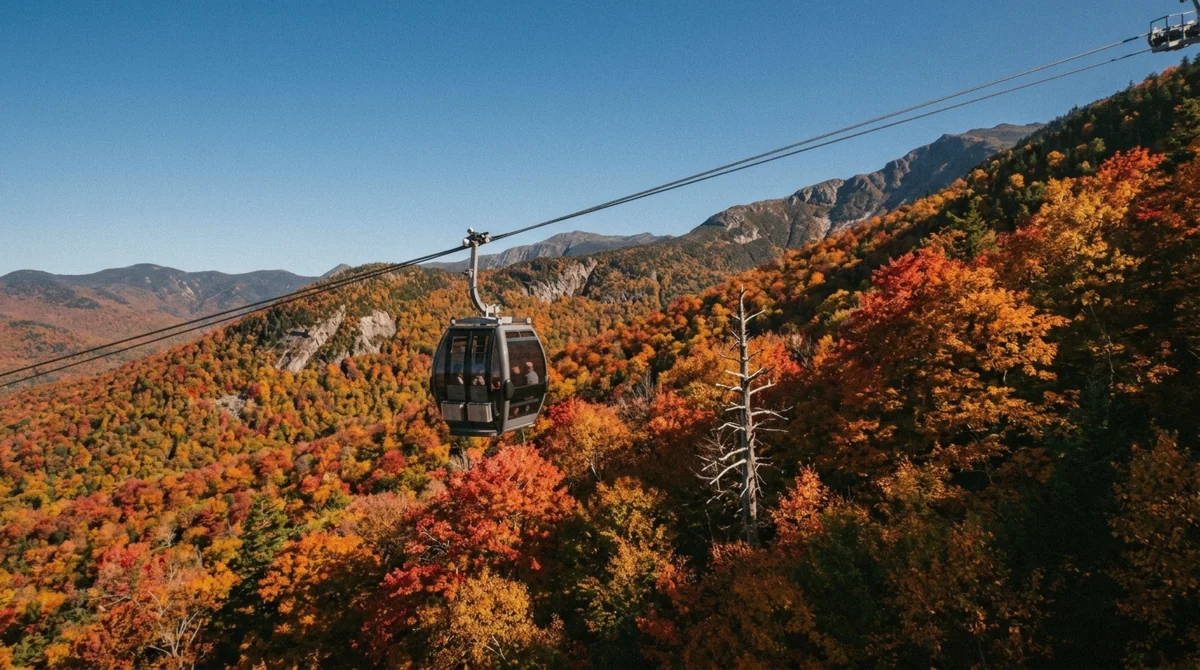
Go in late September or October: mild air, the clearest views down onto Lake Kuttara, autumn colour on the gondola line, and summer opening hours still running to 17:00. July and August are warm and busy; the park opens ticket sales at 8:30 in those two months, which is the moment to use. Avoid the spring ropeway inspection; a multi-week closure that has fallen in April, and check the official calendar for February, when weekday closures cluster. Winter still works if you are prepared: the bears are out in the snow and the steam at Oyunuma is at its best, but the last ticket sells at 15:50 and heavy snow makes the paths hard going. The ticket is date-tied and non-refundable, so confirm the calendar at bearpark.jp before you book.
Key takeaways
- September and October are the strongest months: clear air, autumn colour, 17:00 closing
- July and August open ticket sales at 8:30, the only two months that do
- Winter runs 9:30 to 16:30 with a 15:50 last ticket
- A multi-week ropeway inspection closes the park each spring
- February carries scattered weekday closures; check bearpark.jp first
Opening Hours by Season
Hours change twice a year with the ropeway timetable, and the last ticket sells forty minutes before the gates close.
The seasonal timetable
Arriving less than ninety minutes before closing is cutting it fine once you allow seven minutes on the gondola each way.
| Season | Tickets from | Last ticket | Park closes |
|---|---|---|---|
| 21 April – 20 October | 9:00 | 16:20 | 17:00 |
| July – August | 8:30 | 16:20 | 17:00 |
| 21 October – 20 April | 9:30 | 15:50 | 16:30 |
The Year, Season by Season
What actually changes: the light, the hours, the crowd and the state of the paths.
Autumn, September to October, the best window
Daytime highs sit around 21°C in September and 15°C in October; the air is at its clearest, and the maples on the gondola line turn through October. The 17:00 closing holds until 20 October, so afternoons still work. This is when the Lake Kuttara Observatory earns its place in the ticket; the caldera reads as a near-perfect circle from up there, and clarity is what the lake is known for.
Coach tours are busy in this window, so if you are going independently, the early highway bus gets you up before them.
Summer, July and August; early opening, big crowds
Warm by Hokkaido standards at 23°C to 25°C, and the only two months when ticket sales open at 8:30 rather than 9:00. Use it. August is the busiest month of the year at the base station and the one time advance booking genuinely earns its keep, along with the New Year period.
The town's ogre festival runs in August too, which is worth timing into an overnight rather than a day trip.
Winter, December to March, the atmospheric one
Highs hover around freezing and the park runs the shorter 9:30 to 16:30 timetable with a 15:50 last ticket, so a lazy start costs you the day. The bears stay outdoors and the enclosures under snow photograph better than in summer. Two warnings from the operator itself: heavy snow makes walking the park difficult and can rule out wheelchair use, and the ropeway suspends in high wind.
February additionally carries scattered weekday closures, which the official calendar lists in advance.
Spring, April to June; check the calendar first
May and June are quietly excellent: 15°C to 19°C, green returning, long hours, and far fewer people than autumn. April is the problem. The park shuts for several weeks each spring while the ropeway undergoes its scheduled inspection, and that window has fallen in April.
Nothing on any booking platform tells you this. Check bearpark.jp before you fix an April date, and do not assume last year's dates repeat.
The Two Closure Patterns Nobody Advertises
These are the only genuine trip-ruiners here, and both are avoidable with one look at the official site.
The spring ropeway inspection
Once a year the gondola comes out of service for its scheduled inspection and the park closes entirely for several weeks; there is no other visitor route to the summit. It has landed in April. Because the dates are set by engineering rather than the calendar, they move year to year, and no tour listing or aggregator page reflects them.
This is the single most important thing to check before booking spring travel to Noboribetsu.
February weekday closures
Through February the park closes on scattered weekdays, in blocks rather than a fixed pattern. Weekends generally run. If you are visiting Hokkaido for the winter festivals and want to add the bear park, look at the calendar and build the visit around an open day rather than assuming.
What to do about it
Two rules. First, check bearpark.jp; the official site is the authority and publishes closure notices in English. Second, do not buy the non-refundable e-ticket for a February or April date until you have; the counter takes international cards and mobile payments, so paying on the day costs you nothing but a short queue and keeps the flexibility.
If your dates are fixed inside a closure window, the Sapporo coach tours still run, they visit Showa Shinzan Bear Ranch, which has no ropeway to inspect.
Weather, and What It Does to the Visit
The temperature matters less than the cloud and the wind.
Cloud costs you a quarter of the ticket
The most common substantive complaint in reviews is not the bears; it is arriving in drizzle or snow and losing the Lake Kuttara view. One reviewer describes exactly that in fog, another in snow. The museum, Yukar Village and the enclosures are all unaffected, so it is not a wasted trip, but if the viewpoint is part of why you are going, check the forecast the evening before.
Wind stops the gondola
Ropeways in Hokkaido suspend in high wind, and this one is no exception. It is not a common occurrence, but it is the reason a fixed-date, non-refundable voucher carries a little risk in the winter months. There is no alternative route up.
Dress for the summit, not the town
The park sits at 550 metres and runs a few degrees colder than the onsen town below, with more wind. In winter that means proper boots with grip, the operator warns explicitly that snow makes the paths difficult, and in shoulder season a layer more than you think. The walk to Hell Valley and Oyunuma afterwards needs the same footwear.
The Year at a Glance
Average daytime highs for Noboribetsu, with what each month actually gives you on the mountain. The summit runs a few degrees colder than the town.
Month by month
Two columns matter more than the temperature: the closing time, which shortens by half an hour from late October, and the closure risk, which is concentrated in exactly two windows.
| Month | Daytime high | On the mountain | Closure risk |
|---|---|---|---|
| January | -1°C (30°F) | Bears in deep snow, short hours | Low |
| February | 0°C (32°F) | Best steam at Oyunuma | High: scattered weekday closures |
| March | 4°C (39°F) | Snow underfoot, few visitors | Low |
| April | 10°C (50°F) | Thaw, hours lengthen from the 21st | High: annual ropeway inspection |
| May | 15°C (59°F) | Green returns, quiet, long hours | Low |
| June | 19°C (66°F) | Mild and uncrowded | Low |
| July | 23°C (73°F) | Earliest opening at 8:30 | Low |
| August | 25°C (77°F) | Busiest month, real queues | Low |
| September | 21°C (70°F) | Clear views over Lake Kuttara | Low |
| October | 15°C (59°F) | Autumn colour on the gondola line | Low |
| November | 8°C (46°F) | Winter hours begin, last ticket 15:50 | Low |
| December | 2°C (36°F) | Snow settles, bears still outdoors | Low |
What each season removes
Nothing here is all-or-nothing, but each season takes something off the table and hands you something else. Read it as a trade rather than a ranking: the months with the fewest people are also the months with the shortest hours and the highest chance of a closed ropeway.
| Season | What you lose | What you gain |
|---|---|---|
| Deep winter | Half an hour of opening; easy walking | Steam against snow; almost no queue |
| Spring inspection window | The park entirely, for several weeks | Nothing; avoid it |
| Midsummer | Quiet at the base station | The 8:30 start and the ogre festival |
| Autumn peak | Elbow room on the coaches | The clearest caldera view of the year |
Timing the Rest of the Day Around It
The park is ninety minutes. What you pair it with is what makes the season matter.
The crater does not close
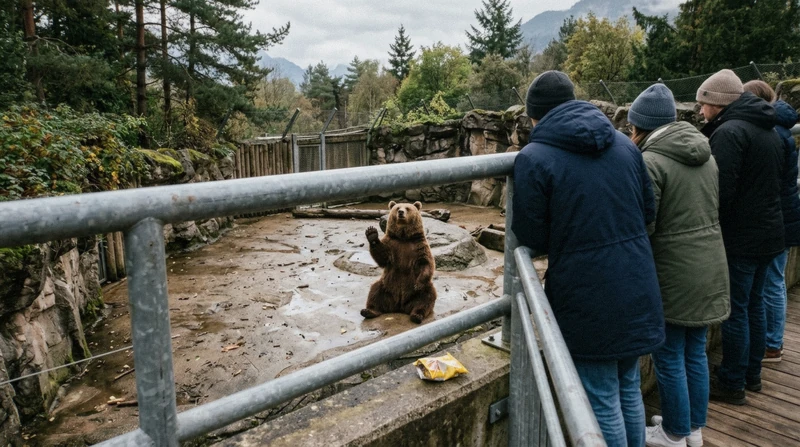
Jigokudani is free, unstaffed and open at all hours, which means the closure windows that shut the park do not touch it. If your dates fall inside the spring inspection, you can still walk the crater, reach Oyunuma and use the natural foot bath; you simply lose the bears. The full walk is here, and it is at its most photogenic in exactly the winter weeks when the ropeway is least reliable.
The onsen town runs on the same calendar
Ryokan rates in Noboribetsu climb sharply through the autumn colour weeks and again around the February festival dates, and the best-rated properties sell out first. If you are timing a visit for October, book the room before the ticket: the park will still have space, and the places to stay will not.
If the park is shut, the coaches still run
Group day trips out of Sapporo do not depend on this ropeway, because none of them use it. The most-booked coach visits Showa Shinzan Bear Ranch beside Lake Toya, which has no cable car to inspect and runs through both closure windows. It is not the same park, but it is a workable substitute on a date you cannot move, and what Noboribetsu Bear Park tickets cost sits on the comparison page for when you can.
Timing Questions
What is the best month to visit Noboribetsu Bear Park?
October. Mild air at around 15°C, the clearest views over Lake Kuttara, autumn colour on the gondola line, and the 17:00 closing time still in force until the 20th. September is close behind and slightly warmer.
When is the park closed?
For several weeks each spring during the scheduled ropeway inspection, and on scattered weekdays through February. Neither window is fixed year to year and no booking platform reflects them; check bearpark.jp before fixing your date.
Can you visit in winter?
Yes. The bears are outdoors year-round and the enclosures under snow are a better photograph than in summer. Hours shorten to 9:30–16:30 with a 15:50 last ticket, heavy snow makes the paths hard going, and the ropeway can suspend in high wind.
What time should I arrive?
Morning. The keeper events and Duck Race run through the day but the light over Lake Kuttara is clearest early, and staying in the onsen town puts you on the first gondola before the Sapporo coaches reach the valley around 09:50.
Do I need to book ahead in summer?
On August weekends and over New Year, yes; the base-station queue is real then. The rest of the year the counter is quick and takes international cards, and the online ticket is not a discount.
When can you see bears in Hokkaido?
When you can see bears in Hokkaido depends on which bears. At this park, whenever it is open: the animals stay in the outdoor enclosures right through the Hokkaido winter, which is why a January visit still works. Wild Ezo brown bears are a different question, active from spring emergence around April until they den in late autumn, and the sightings people picture happen on boat cruises and guided walks in Shiretoko rather than in Noboribetsu.